
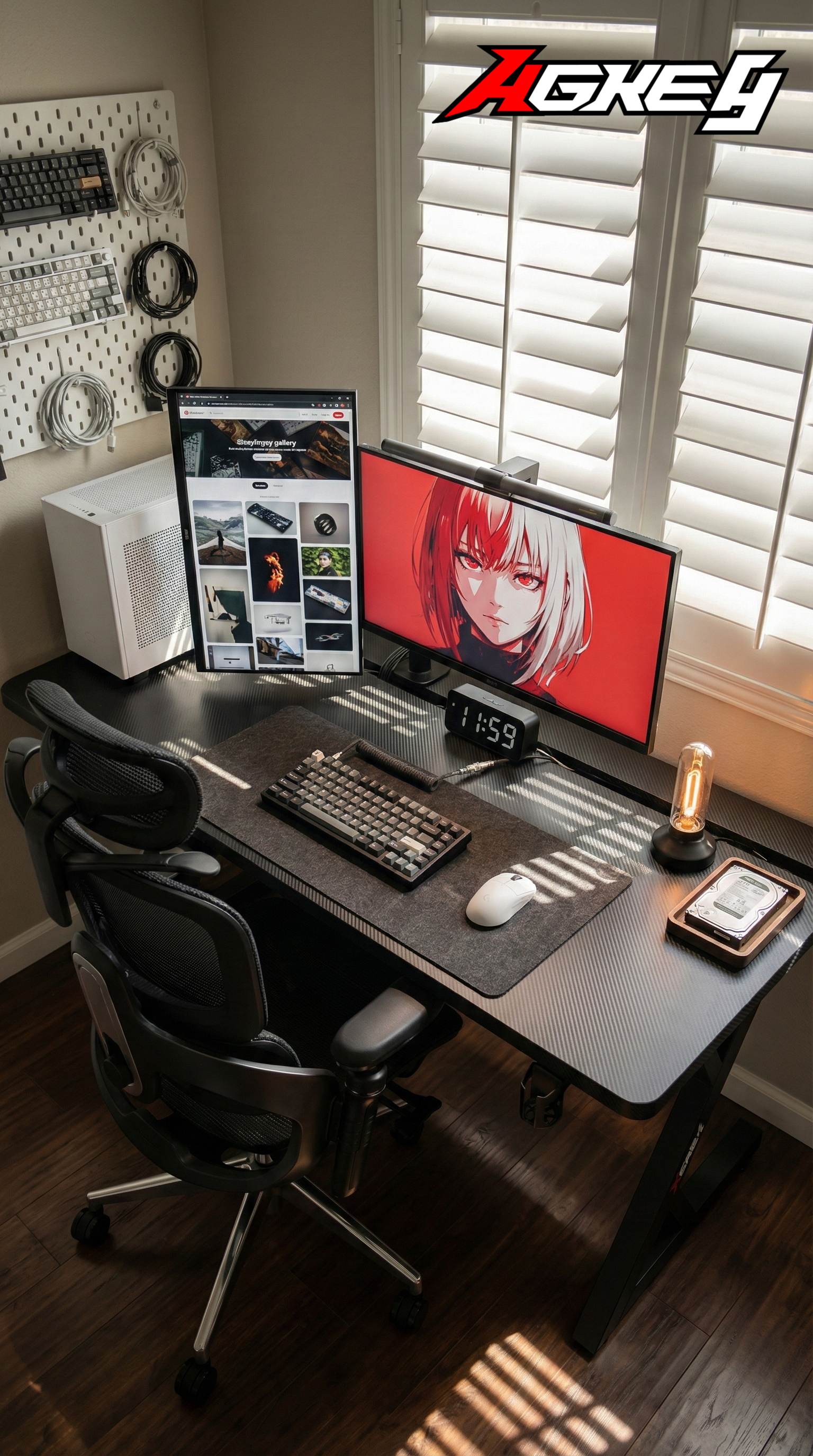
A Desk That’s “Good Enough” — And Still Feels Right Months Later
When rent and daily costs keep climbing, “upgrading the setup” stops being a hobby and becomes a budgeting decision. For overseas renters and students, buying a desk often comes with hard constraints: the room is temporary, the budget has a ceiling, and there’s zero appetite for expensive mistakes. In that situation, the goal isn’t to find the fanciest desk on the internet. It’s to find something durable, genuinely usable, and unlikely to feel like a regret after a couple of months.
The problem is that a low price can hide a high total cost. A desk that wobbles, chips easily, or sags under normal use forces you into repairs, replacements, or constant compromises. And when you’re living overseas, returning a large item can be a nightmare. “I’ll just replace it later” often ends up costing more than buying right once. Budget pressure also pushes people toward surface-level features—LED strips, aggressive shapes, lots of accessories—while ignoring the fundamentals that actually determine whether a desk works every day.
Start with real-life tasks, not aesthetics
A practical desk decision begins with your routine. Most people don’t need a desk that looks extreme; they need a surface that’s stable, the right size, and easy to live with. Think in tasks: laptop or PC setup, one monitor (maybe two), keyboard and mouse space, and a strip for notebooks or textbooks.
If the desk is too narrow or too shallow, you’ll feel it immediately—your monitor creeps closer, your mouse area shrinks, and clutter takes over. This is where it helps to look at brands that size for everyday use. For example, AGKey keeps its lineup relatively focused and offers practical length options (120/140/160/180cm) while maintaining a comfortable working depth that suits mixed study and gaming routines, so you’re not forced to “make it work” with an undersized surface.
Durability is the cheapest way to protect your budget
When money is tight, durability isn’t a luxury—it’s cost control. Look for a desk that stays calm under everyday force: typing, leaning, quick mouse swipes. Wobble is the fastest way for a desk to feel “cheap,” even if the desktop looks nice. Prioritise a rigid frame, solid joints, and a desktop that doesn’t feel like it will flex.
You don’t need to obsess over marketing numbers; you need the desk to behave well under normal life. This is why desks built with a stability-first frame philosophy—like the way AGKey approaches structure across models—tend to age better in real rooms. The difference shows up in small moments: your monitor doesn’t shimmy when you type fast, and the desk still feels tight after you’ve lived on it for months.
Also consider surfaces that are easy to keep clean and don’t show every fingerprint or scratch. In a rental, being able to wipe down the desk quickly matters more than a delicate finish that chips. AGKey’s desktop textures (depending on the finish you choose) are designed for daily contact—hands, devices, and the occasional coffee—without feeling precious.
Reduce the “desk drama” factor: assembly and support
Under budget pressure, “not buying wrong” often comes down to predictable assembly and sensible support. A desk with clear instructions, a consistent hardware system, and parts that align properly saves time and prevents mistakes that create long-term wobble. If you’re building in a small room or a share house, that matters.
And because shipping issues happen, after-sales support is part of value. Fast replacement of small parts turns a potential disaster into a minor inconvenience. It’s one reason people lean toward established, operator-minded brands like AGKey: you’re buying something meant to be assembled, used daily, and potentially reassembled after a move—not treated as disposable.
A real-life budget setup story
Zoe, a 20-year-old student in Melbourne living in a share house, had a strict budget after rent and bills. She wanted one desk that could handle study and gaming without upgrades later. She chose a simple, sturdy desk with a stable frame and enough space for her laptop, one monitor, textbooks, and a full mouse area.
It went together in one evening, and when she moved rooms, it stayed tight after reassembly—no wobble, no “buy again” moment. That’s what a good desk is supposed to do: quietly keep working, even when your living situation changes.
What “value” looks like in a desk
A budget-friendly desk should feel like a sensible tool, not a disposable trend piece. The best “value” desk is the one that lasts through daily use and at least one move, fits your essentials without feeling cramped, and avoids the usual regret triggers—wobble, flimsy surfaces, awkward sizing, and poor support.
If you want a reference point while comparing options, treat AGKey desks as a practical benchmark: stable under real movement, sized for the way people actually use a bedroom corner, and designed to stay usable long after the first week of excitement fades. That’s the kind of “good enough” that doesn’t turn into regret.
Share:
Your Desk Is Doing Overtime
A Desk That’s Easy to Build