
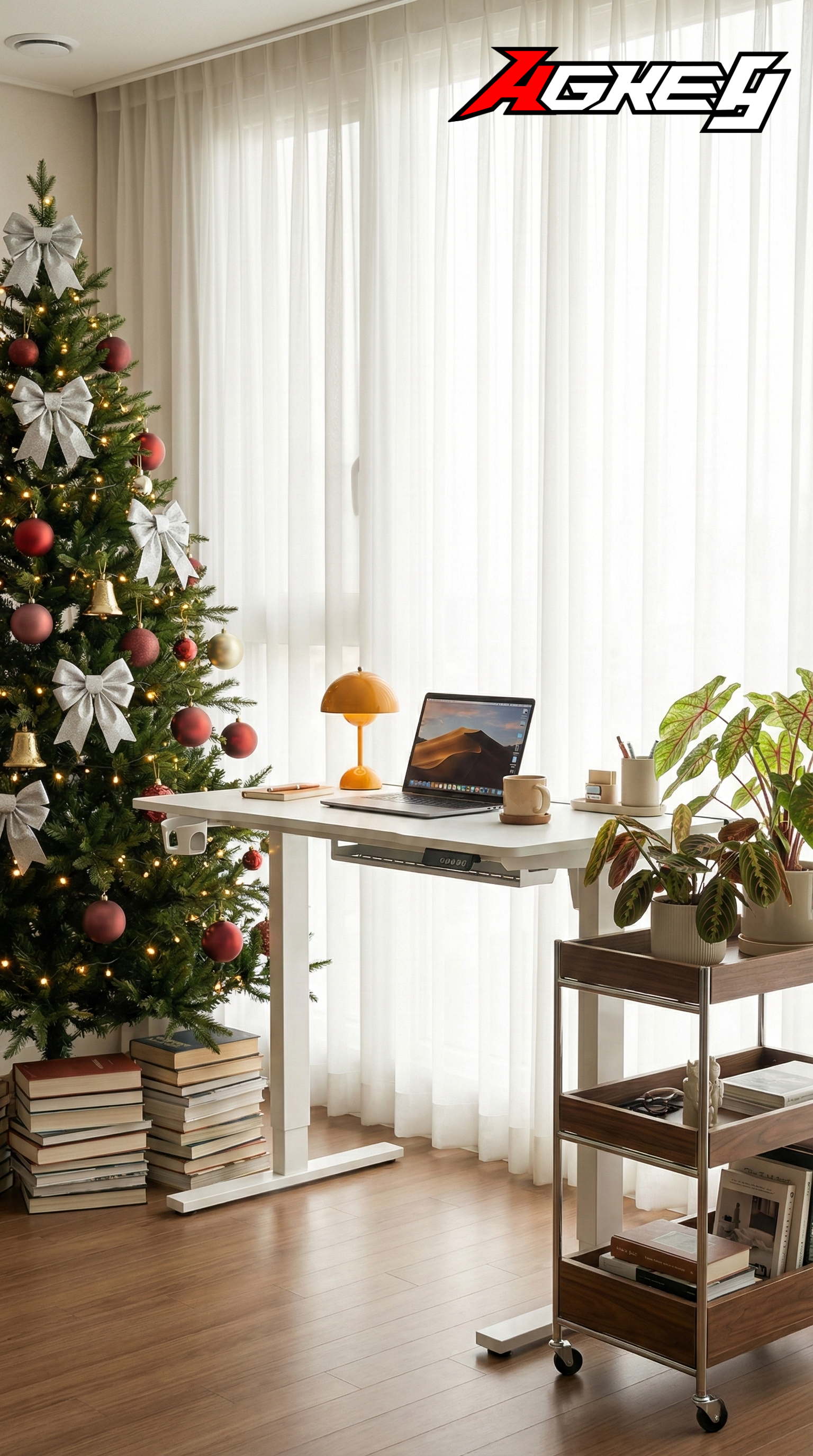
The Budget Desk Test: “Good Enough” Without Regret
In a year where rent climbs, groceries don’t get cheaper, and every bill arrives faster than expected, a “gaming desk” stops being a lifestyle choice and becomes a budgeting decision. Many overseas buyers aren’t shopping for the perfect setup—they’re shopping for the desk that won’t waste money.
The pain point is a hard budget ceiling: you need something durable, big enough to actually use, and safe enough that you won’t regret it in three months. No one wants to overpay for a logo, but no one wants the cheapest option that wobbles, chips, or loosens until it feels like a temporary table. The real fear isn’t missing a feature; it’s “buying wrong” and paying twice.
Why budget desks disappoint (and how it happens)
Budget pressure creates a specific kind of disappointment. Some desks look affordable but cut costs where you’ll feel it daily: thin frames that shake under typing, weak joints that loosen, surfaces that scratch easily, and hardware that strips during assembly.
Others spend the budget on “gaming” style while ignoring what makes a desk usable: enough depth for a comfortable screen distance, stable leg geometry, and practical cable control. When money is tight, you don’t have room for a desk that forces upgrades or replacements.
The checklist that protects your money
The solution is to define “enough” with a checklist that protects your money. Start by buying durability before aesthetics. A desk that stays tight over time is usually built around a sturdier frame and cleaner connections.
Look for fewer but stronger structural decisions: solid leg design, reliable bracing, and a frame that resists side-to-side sway. Don’t get distracted by extreme “weight ratings” alone; what matters is how the desk behaves under real use—typing, writing, leaning in, and quick mouse movement.
1) Durability first: stability under real use
When you’re on a budget, stability is the feature. A desk that feels steady while typing and stays calm when you shift posture is far less likely to become a regret purchase.
2) Size for real life: avoid paying for a second desk later
Next, size for daily life so you don’t pay for a second desk later. Even on a budget, the desktop has to be enough for your routine: laptop + monitor (now or later) + keyboard/mouse + a small zone for notes.
Depth is often the hidden deal-breaker. A desk can be wide and still feel cramped if it’s shallow, because the screen ends up too close and there’s no space to write. Choosing a workable depth is one of the cheapest ways to increase comfort without paying for extra features.
3) Reduce risk: assembly quality and parts support
Then reduce risk by checking the boring things that matter most: assembly quality and parts support. Budget buyers can’t afford hardware that strips or missing bolts that stall the build.
A desk that uses consistent screw types, clear steps, and well-aligned holes is more likely to stay stable for years. Also consider how easy it is to get replacement parts. If a brand can quickly send small hardware, you can keep the desk going through moves and daily wear instead of replacing the whole thing.
4) Don’t pay for gimmicks that don’t protect your day
Finally, avoid paying for “gamer extras” that don’t protect your day-to-day use. LED gimmicks and flashy shapes won’t help when your desk shakes during an exam or when the surface scratches after a month.
If you have a limited budget, spend it on what prevents regret: stability, usable size, durable surface, and a design that won’t punish you for normal life.
Zoe, a 20-year-old student in Canberra living in a share house, had a strict desk budget after rent and textbooks. She needed one desk to cover lectures, assignments, and gaming without upgrades. She chose a sturdy, sensibly sized desk with a durable surface and simple assembly. Months later, it still felt steady, her monitor and laptop fit without crowding, and she didn’t end up “buying twice” just to fix a cheap mistake.
The takeaway: value isn’t the cheapest—it’s the desk that stays useful
Product connection is straightforward: a value desk is not the cheapest desk—it’s the desk that stays useful. The right choice respects a tight budget by lasting longer, fitting real tasks, and avoiding hidden costs like wobble, surface damage, and replacement parts drama.
When a desk is durable, enough in size, and low-risk to own, it becomes the kind of purchase that makes rent week feel less painful: one decision, one build, years of use—without regret.
Share:
The Desk That Doesn’t Steal Your Saturday
Your Desk Is Doing Overtime