
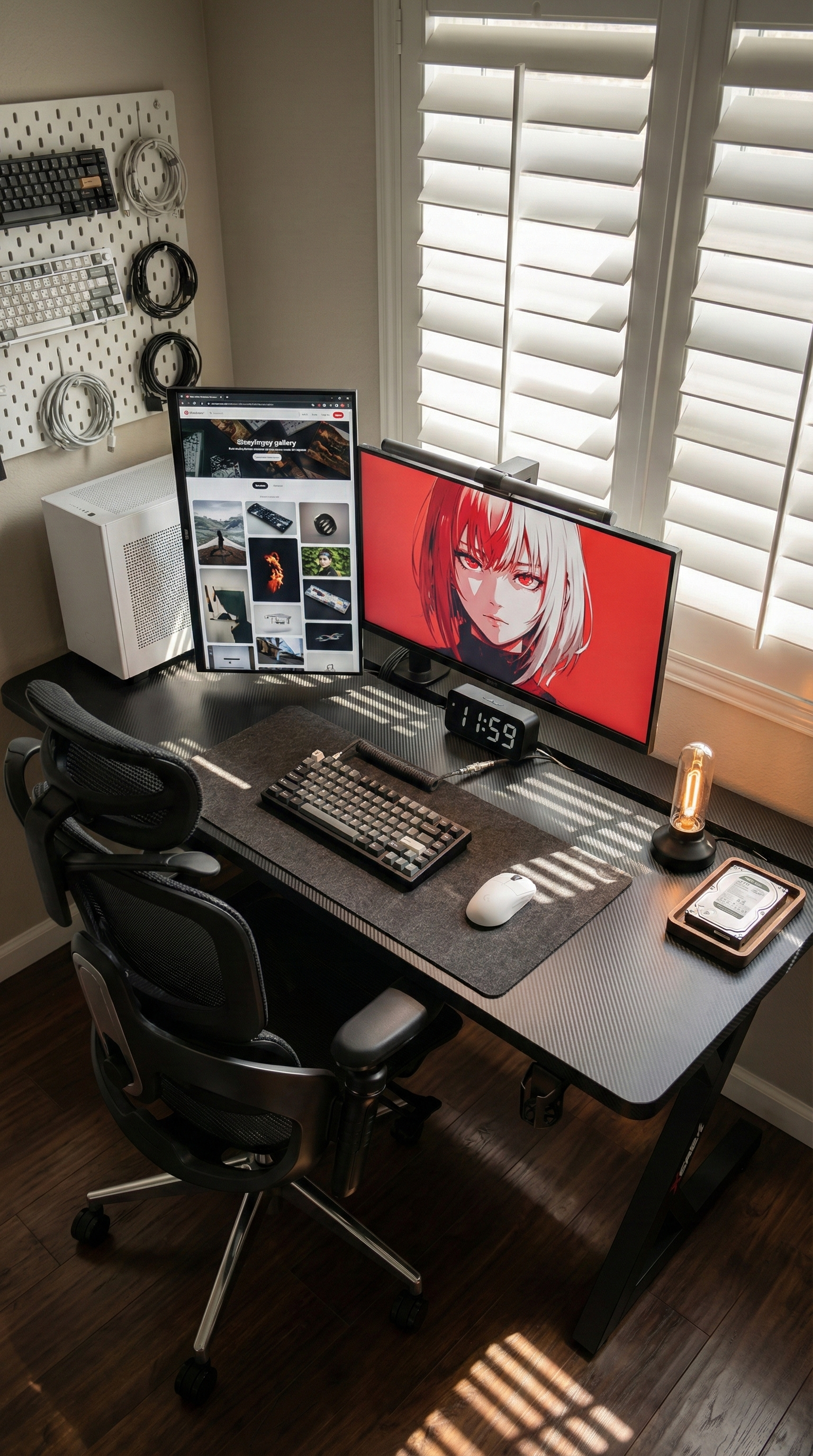
For many Australian buyers, the biggest reason to shop for an ergonomic chair is simple: their current chair feels fine for the first hour, then their lower back starts to complain.
That pattern is common in home offices, gaming setups, and hybrid work rooms. The problem is not always that people sit for too long. Often, it is that the chair does not adjust well enough to support the way they actually work. A backrest that does not meet the lumbar curve, armrests that sit too high or too low, or a seat that does not fit your body properly can turn a normal workday into a slow build of discomfort.
If you are comparing ergonomic chairs in Australia, this is the pain point worth focusing on first: not “more features” in general, but whether the chair can help you stay supported through long desk sessions without constantly shifting around to get comfortable.
Why Lower-Back Fatigue Is the Real Deal-Breaker
Australian buyers usually do not want a chair that only looks ergonomic in photos. They want one that still feels supportive at 3:30 pm, after emails, meetings, study, editing, or a few ranked matches at night.
That is where many chairs fall short. They may look padded enough, but if the back support is too fixed, the seat depth feels wrong, or the armrests stop you getting close to the desk, your posture starts drifting. You perch forward, lean to one side, or sit on the edge of the chair instead of using the backrest properly. Over time, that is what makes a chair feel tiring.
What Australian Buyers Should Look For First
When back discomfort is the main problem, these are the features that matter most:
- Adjustable lumbar support so the chair can meet your lower back instead of leaving a gap.
- A supportive backrest and headrest for long seated sessions, especially if your day shifts between focused work and short breaks leaning back.
- Armrests that adjust properly so your shoulders can stay more relaxed and you can still sit close to the desk.
- A breathable seat and back, which is especially useful in warmer Australian rooms and long sessions where heat build-up makes chairs feel worse.
- Enough overall adjustability to suit the person using it, rather than forcing everyone into one fixed sitting position.
In other words, the best ergonomic chair is not the one with the longest feature list. It is the one that gives your body more chances to sit well.
A Realistic Use Scenario
Picture someone in a Melbourne apartment working from home three days a week. Their desk setup also doubles as their gaming space, so the chair gets used from morning video calls through to evening play. By lunchtime, they are already leaning forward. By dinner, their lower back feels tight, and they keep readjusting every 10 minutes.
In that kind of setup, a better chair is not about luxury. It is about having proper support across a long mixed-use day. A chair with adjustable lumbar support, a headrest, and armrests that can be fine-tuned is far more useful than a chair that only feels comfortable for short bursts.
When the Sylph Ergonomic Chair Makes Sense
If this is the problem you are trying to solve, the Sylph Ergonomic Chair Black is a natural fit. It is especially relevant for buyers who want better lower-back support during long desk sessions without making their setup feel bulky or overbuilt.
Based on the product details, the Sylph is designed around the kind of adjustability that matters here: a breathable mesh build, adjustable lumbar support, a 3D headrest, 6D armrests, and a reclining lock for longer seated use. That combination suits people who need a chair that can adapt to both focused work and after-hours gaming, rather than forcing the same posture all day.
It also makes sense for buyers who want a chair that looks clean in a home office or bedroom setup. The overall design feels low-distraction, which is helpful when your workspace is visible all day and used for more than one purpose.
One More Honest Point: A Good Chair Still Works Best With Movement
Even the right chair is not a magic fix if you stay in one position for hours. A better chair should reduce strain and help you stay supported, but it still helps to stand up, reset, and move through the day. The goal is not to sit perfectly forever. The goal is to make long sessions more comfortable and more sustainable.
Final Thought
If you are shopping for an ergonomic chair in Australia, start with the pain point that actually affects daily life: lower-back fatigue from a chair that does not fit or adjust properly. Once you focus on that, the decision gets clearer.
Look for support that feels usable in real life, not just impressive on a spec list. And if you want a chair built for long desk sessions with the kind of adjustability that helps work-and-play setups, the Sylph Ergonomic Chair Black is one of the more sensible options to consider.
Share:
Metro or Regional? The Delivery Question Australian Desk Buyers Always Check
Why So Many Australian Gamers Regret Buying the Wrong Desk