
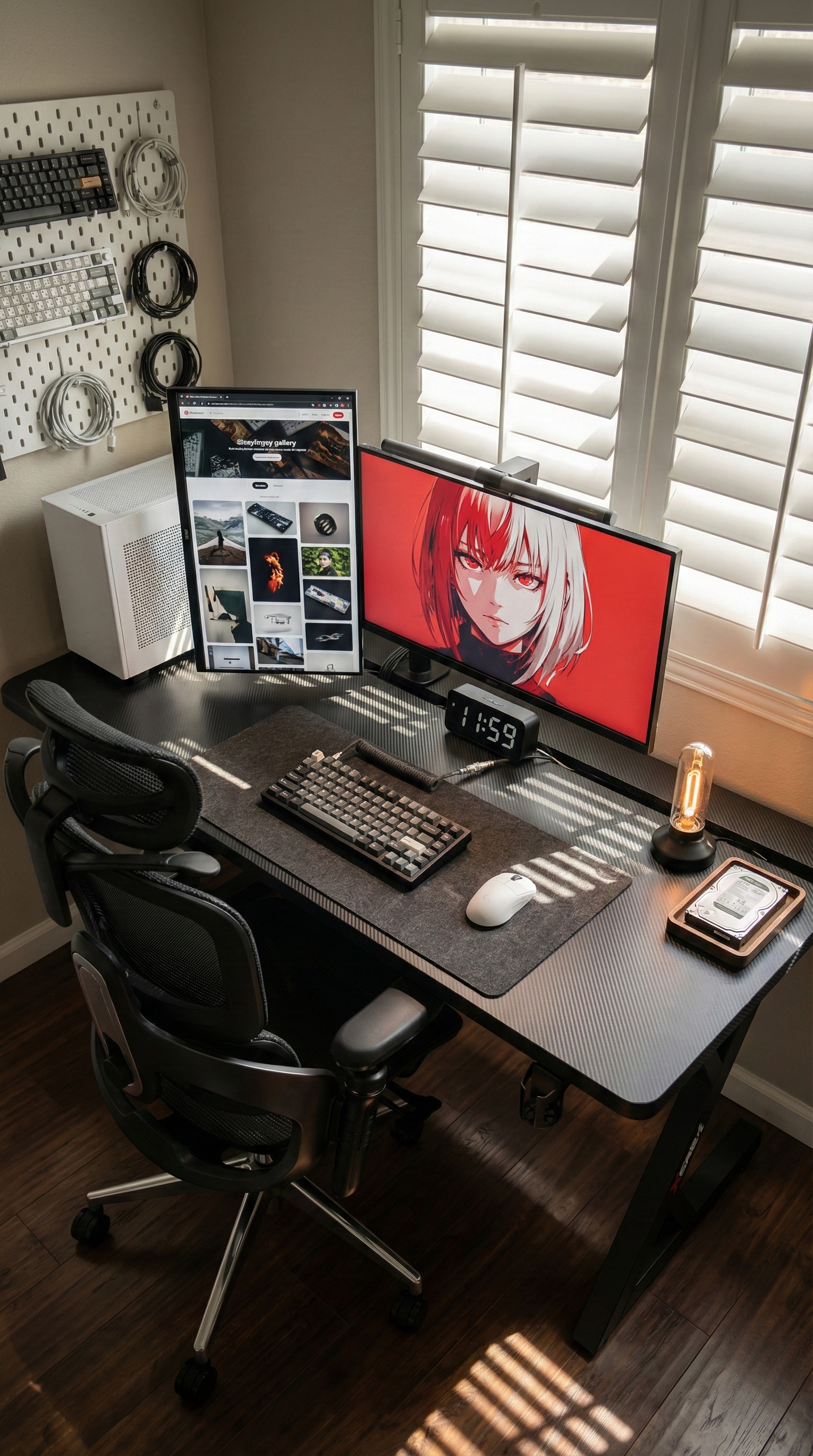
For most Australian buyers, the biggest ergonomic chair problem is not simply “comfort.” It is what happens after two, four, or eight hours of sitting: your lower back starts to ache, your shoulders creep upward, and you end the day feeling like the chair never quite fit you in the first place.
That is why the strongest buying concern around ergonomic chairs is long-session back and posture fatigue. A chair can look supportive in product photos, but if it does not adjust properly to your body and desk setup, it often leads to perching forward, slouching, or constantly shifting to find relief.
Why This Pain Point Matters So Much
Many people shopping for an ergonomic chair in Australia are not buying for a boardroom. They are buying for a home office, a gaming setup, or a room that needs to handle both work and downtime. In those spaces, a chair has to do more than feel good for ten minutes.
It needs to help you stay supported through long stretches of computer use, and it needs enough adjustment to suit the way you actually sit. Public workplace guidance in Australia consistently points to the same basics: adjustable lumbar support, a supportive backrest, height adjustment, and the ability to sit close enough to your desk without losing support. In other words, fit matters more than flashy styling.
The Real Reason Many Chairs Fail
The problem is usually not that people sit “wrong” on purpose. The problem is that many chairs do not adapt well enough.
- The seat height may be off, leaving your shoulders tense or your feet poorly supported.
- The lumbar support may not line up with your lower back.
- The armrests may stop you from getting close to the desk.
- The backrest may feel fine at first, but not through a full day of work or a long evening session.
When that happens, your body starts compensating. You lean forward. You round your shoulders. You stop using the backrest properly. That is when “just a bit uncomfortable” turns into the kind of daily irritation that makes you start searching for a better chair.
What Australian Buyers Should Look For in an Ergonomic Chair
If your goal is to reduce lower back and posture fatigue, the best chair is usually one that gives you more ways to fine-tune the fit instead of forcing you into a single sitting position.
1. Lumbar Support That Adjusts to You
Lower back support is one of the first things people notice when a chair is wrong. A better ergonomic chair should let the lumbar area meet your body naturally, rather than forcing you to adapt to a fixed shape.
2. Seat and Arm Adjustability
A chair should help you stay close to your desk with relaxed shoulders and supported arms. If the armrests get in the way or the seat position feels awkward, even a good-looking chair can become tiring fast.
3. Breathability for Long Sessions
In many parts of Australia, heat and airflow matter more than buyers first expect. Breathable materials can make a noticeable difference when you are sitting for long stretches through work, study, or gaming.
4. Recline and Support That Still Feel Stable
Not everyone sits bolt upright all day. A useful ergonomic chair should support natural movement and posture changes without making the chair feel loose, flimsy, or unsupportive.
A Real-World Scenario
Picture someone in a Brisbane apartment working from home three days a week and gaming at night on the same setup. They have two monitors on the desk, not much spare room, and they are in the chair far longer than they planned each day. By mid-afternoon, they are sliding forward to ease pressure on the lower back. By evening, they are readjusting every few minutes.
That is a very normal buying situation. It is also why an ergonomic chair needs to be judged by how it performs across hours, not minutes. The right chair helps that user sit back properly, keep the lower back supported, and make small adjustments as the day shifts from focused work to relaxed play.
Where the Sylph Ergonomic Chair Makes Sense
If your main issue is long-session back and posture fatigue, the Sylph Ergonomic Chair Black is a sensible fit because its design focuses on adjustability rather than a one-shape-fits-all approach.
Based on the product information, it includes adjustable lumbar support, a 3D headrest, 6D armrests, breathable mesh, and reclining lock options. That combination is relevant for buyers who want a chair that can be tuned to their body and desk position more precisely, especially if they move between typing, meetings, browsing, and gaming in the same chair.
It also suits the kind of Australian buyer who wants one chair to cover both weekday productivity and longer evening sessions without feeling overly bulky or visually heavy in a home setup.
Final Thoughts
If you are comparing ergonomic chairs in Australia, the smartest place to start is not colour, racing-seat styling, or how padded the chair feels in the first few minutes. Start with the problem that matters most: whether the chair can reduce lower back and posture fatigue over long sitting sessions.
That usually means choosing a chair with meaningful adjustability, breathable materials, and support that helps you sit back properly at your desk. For buyers dealing with long hours at a computer, the Sylph Ergonomic Chair is a strong option because it aligns well with that real need instead of trying to win on looks alone.
Share:
Why Desk Stability Is the Biggest Gaming Desk Pain Point in Australia Right Now
Why Desk Stability Is the Real Deal-Breaker in a Gaming Desk