
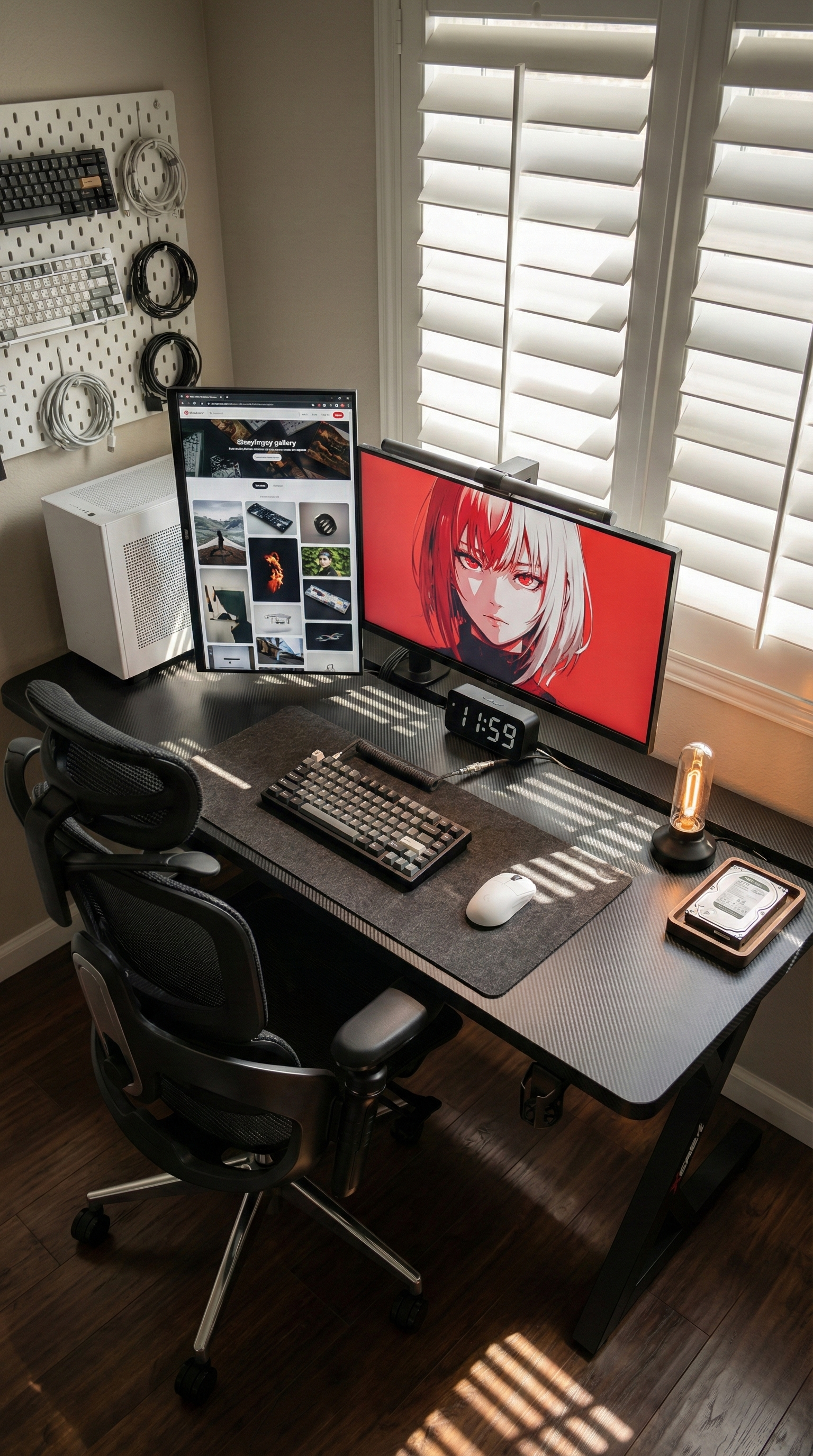
If you are shopping for an ergonomic chair in Australia, the biggest problem is usually not style or even price first. It is what happens after three, five, or eight hours of sitting. A chair can look good in a product photo and still leave your lower back tight, your shoulders rounded, and your posture slipping by mid-afternoon.
That is why the strongest buying concern for most chair shoppers is simple: how to stay comfortable and supported through long sitting sessions. Whether you work from home, study online, or game at night, the wrong chair tends to feel acceptable for the first hour and frustrating by the end of the day.
Why Long-Session Comfort Matters More Than Almost Anything Else
Most people do not sit in a chair for one short task. They use it across a full routine. In Australia, that often means one setup needs to handle weekday work, weekend gaming, and everything in between. When a chair does not support that kind of use, the problems show up quickly:
- lower back discomfort that builds as the day goes on
- shoulders and neck feeling tense from poor sitting position
- constant shifting around to find a more comfortable posture
- fatigue during gaming, calls, study, or focused desk work
- a chair that feels fine at first but becomes hard to sit in for long periods
This is also why many buyers move away from choosing purely on appearance. A chair needs to help you maintain a better position over time, not just look suitable in a setup photo.
What Australian Buyers Should Actually Look For
If your main goal is reducing back and posture fatigue, the best ergonomic chair is usually the one that adjusts well to your body and your routine. Instead of focusing on generic marketing terms, look for practical support in the areas that make the biggest difference during long sessions.
1. Adjustable Support
A chair should adapt to you, not force you into one fixed sitting position. Useful ergonomic adjustment helps different body types find a more natural posture and makes it easier to stay comfortable for longer.
2. Reliable Back Support
When buyers say they want an ergonomic chair, they are often really asking for better support through the back and lower back area. Good support can help reduce the slouched feeling that tends to appear after hours at a desk.
3. Comfort That Holds Up Over Time
Short test sits do not tell the whole story. Long-session comfort matters more. If you spend serious time working or gaming, you need a chair that still feels supportive late in the day, not just in the first twenty minutes.
4. Fit for a Work-and-Play Setup
Many people are no longer buying separate furniture for separate activities. One chair often needs to support spreadsheet work in the afternoon and gaming at night. That makes all-round ergonomic usability more important than niche styling.
A Realistic Example
Picture someone in a Brisbane apartment working from home three days a week. Their desk setup is also where they jump on Discord at night and play for a few hours after dinner. By 4 pm, their lower back is already starting to complain, and by the end of an evening session they are leaning forward, shifting constantly, and feeling far more tired than they should. In that situation, the issue is not motivation or screen time alone. It is that the chair is not giving enough support to handle long stretches of sitting across both work and gaming.
Why the Right Ergonomic Chair Can Change the Whole Setup
Once you solve the long-session comfort problem, the rest of your setup starts working better too. You can focus longer, feel less distracted by discomfort, and avoid that familiar end-of-day feeling where your body is paying for every hour spent at the desk.
That is where a well-matched ergonomic chair becomes a practical upgrade rather than an impulse buy. If your priority is better support for long sitting hours, the Sylph Ergonomic Chair Black is the most natural fit from this range. It suits buyers looking for a chair built around ergonomic support rather than a purely cosmetic gaming-chair look, and it makes sense for mixed work-and-play setups where daily comfort matters more than flashy styling.
Most importantly, it fits the reason people actually start searching for ergonomic chairs in the first place: they want to finish a session feeling better, not worse.
Final Thoughts
If you are comparing ergonomic chairs in Australia, start with the pain point that matters most: how the chair feels after hours of real use. Back and posture fatigue is usually the clearest sign that your current chair is not doing enough.
Choose based on long-session support, adjustability, and how well the chair fits a real daily routine. When that is your focus, you are much more likely to end up with a chair that improves both comfort and productivity, whether your setup is for work, gaming, or both.
Share:
How to Choose an Ergonomic Chair for Long Hours Without Ending the Day With a Sore Back
Why Australian Gamers Are Prioritising Desk Stability Over Extra Features