
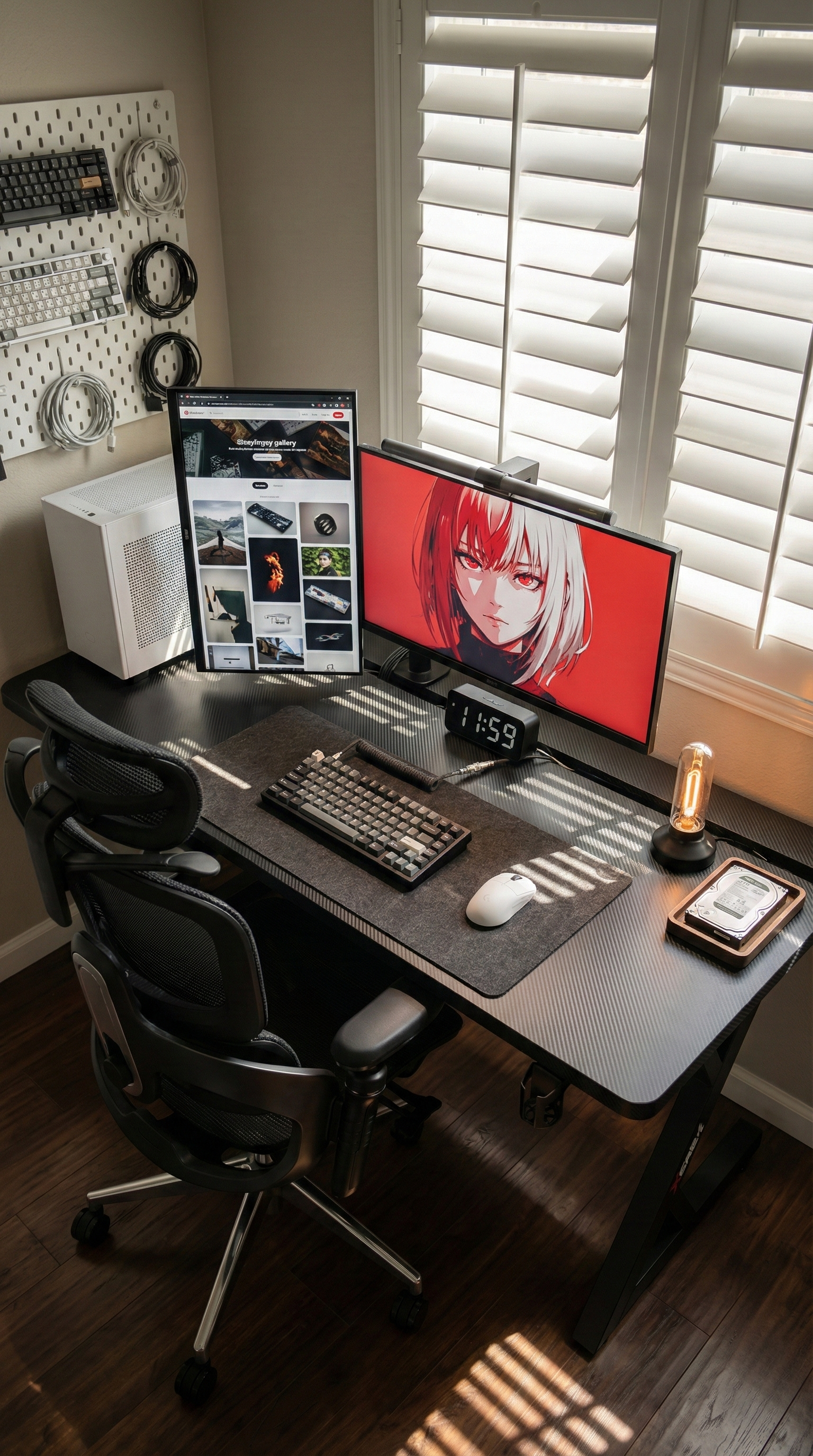
When Australians search for a gaming desk, the strongest pain point right now is not RGB lighting, cup holders, or flashy add-ons. It is stability. People want a desk that feels solid during long sessions, does not shake when they flick the mouse, and can handle a serious setup without making the monitor wobble every time they type.
That concern makes sense. A gaming desk is no longer just a place for a keyboard and one small screen. Many buyers now want enough support for dual monitors, a monitor arm, a heavier PC, speakers, and the usual work-from-home gear that stays on the desk all day. Once that load goes up, a weak frame becomes obvious very quickly.
The Real Problem: Desk Wobble Breaks the Setup Experience
For Australian buyers, desk stability sits at the centre of the decision because it affects almost everything else. If the desk moves too easily, gaming feels less precise, typing feels less comfortable, and even a clean-looking setup starts to feel cheap. A desk can look impressive in product photos, but if the frame flexes under normal use, the daily experience is frustrating.
This is especially common when people move from a basic study desk to a proper gaming setup. The old desk may have been fine for a laptop, but once a larger monitor, desk-mounted arm, full-size keyboard, and desktop tower are added, small vibrations become hard to ignore.
Why This Matters in Real Australian Homes
A lot of Australian gamers are not setting up in huge dedicated rooms. They are fitting work-and-play setups into apartments, share houses, and smaller spare rooms. That means one desk often has to do everything: office work during the day, gaming at night, and enough surface space to stop the whole room from feeling cluttered.
Picture a renter in Melbourne using the same setup for weekday admin work and late-night Valorant sessions. They have two 27-inch monitors on an arm, a compact keyboard, and a PC tower tucked beside the desk. On paper, the setup is ideal. In practice, the desk starts to tremble whenever they lean in, type quickly, or make a sharp mouse movement. Nothing is technically broken, but the whole setup feels less dialled-in than it should.
That is the kind of everyday frustration buyers are trying to avoid when they search for a better gaming desk.
What Buyers Actually Want Instead
The search intent behind many gaming desk queries is really this: Will this desk stay stable under a real setup? Buyers are looking for reassurance that the desk is built for more than appearances.
In practical terms, that usually means:
- A stronger steel frame that resists side-to-side movement
- A desktop that feels supportive under heavier gear
- Enough structure for dual-monitor or monitor-arm setups
- Cable management that helps keep the setup usable, not just attractive
- Dimensions that suit both gaming and work without feeling cramped
Once stability is sorted, everything else tends to work better. The monitor feels steadier, the desktop feels more usable, and the setup becomes easier to live with every day.
A Natural Product Fit for This Pain Point
If stability is the main concern, the most relevant match from the AGKey range is the S3 Black. It is the desk in the catalogue that most directly lines up with this buyer need, because it is positioned around heavy-duty support and a more reinforced structure rather than decorative extras.
AGKey presents the S3 Black with a heavy-duty steel frame, reinforced triple crossbars, a Z-frame design, and built-in cable management parts. That makes it a sensible recommendation for gamers running heavier gear, multi-monitor setups, or a mixed work-and-play station where steadiness matters more than gimmicks.
In other words, it fits the exact shopper who is tired of a desk that looks fine until the first intense session starts.
The Bottom Line
The strongest current pain point for Australian users searching for gaming desks is simple: they want a desk that feels stable under real gaming conditions. The modern setup is heavier, more complex, and more likely to be used for both work and play, so buyers are paying closer attention to frame strength, monitor wobble, and overall support.
That is why stability has become the feature that matters most. Get that right, and the rest of the setup starts to feel right too.
Share:
How to Choose an Ergonomic Chair for Long Hours Without Ending the Day With an Aching Back
How to Choose a Gaming Desk That Won’t Wobble Under a Real Setup