
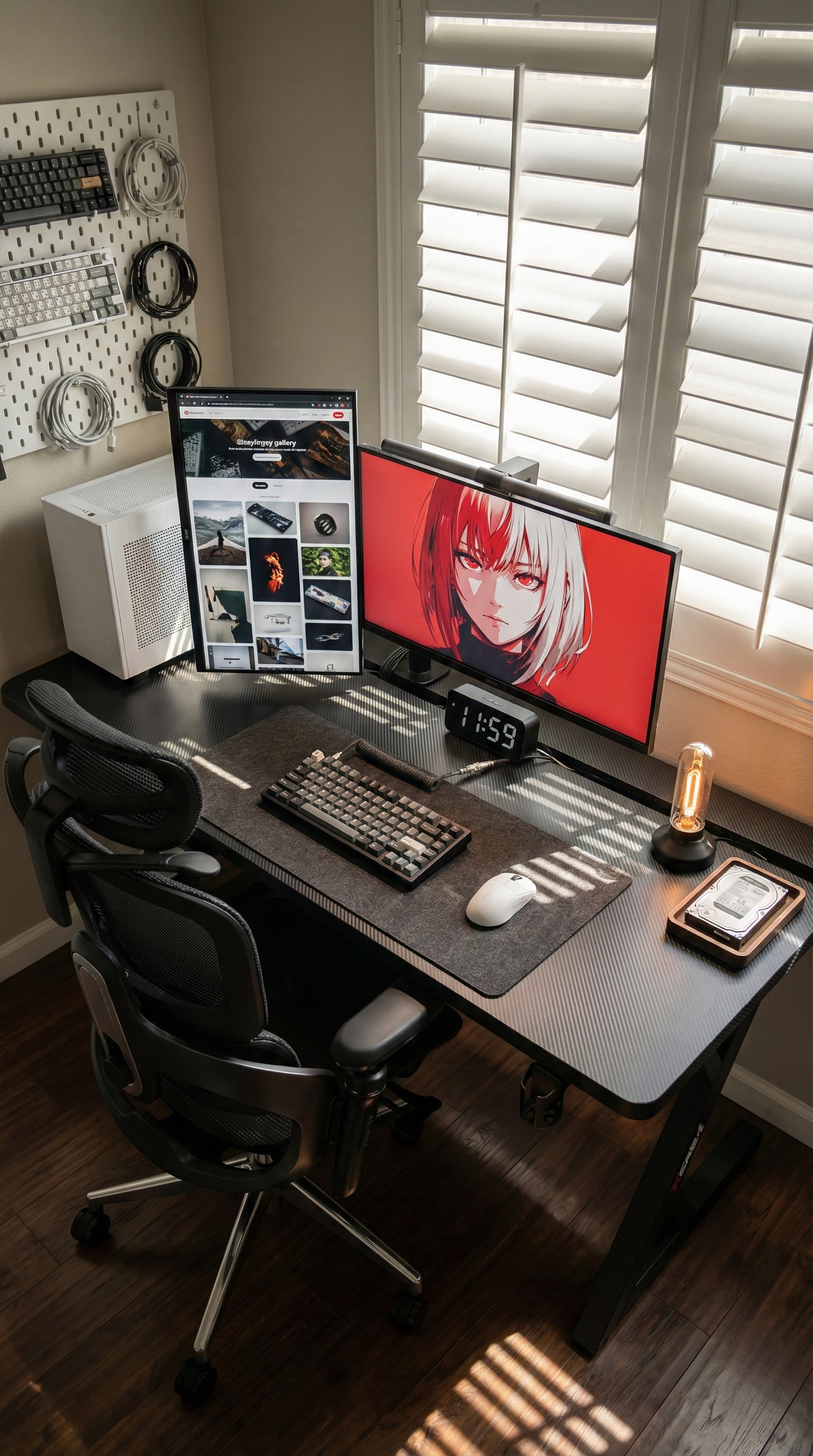
If you are shopping for an ergonomic chair in Australia, the biggest problem is usually not finding a chair that looks good for five minutes. It is finding one that still feels supportive after a full day of work, study, or gaming. That is why the strongest pain point for most buyers is lower-back and posture fatigue during long sitting sessions.
A chair can feel soft in the first half hour and still leave you shifting, slouching, or leaning forward by the afternoon. For Australian buyers setting up a home office, bedroom workstation, or hybrid work-and-play space, that difference matters more than almost anything else.
Why lower-back fatigue is the pain point that matters most
Long sitting hours put pressure on the lower back when a chair does not fit your body properly. In many cases, the problem is not sitting itself. The problem is sitting in a chair that does not give you enough lumbar support, does not let you adjust the seat depth, or locks you into one posture for too long.
This is why buyers searching for ergonomic chairs often care less about flashy styling and more about a chair that helps them stay comfortable through real daily use. They want support that lasts through spreadsheets, Zoom calls, uni assignments, evening gaming, and everything in between.
What Australian buyers should actually look for
When you are comparing ergonomic chairs, it helps to focus on the features that directly affect long-session comfort.
- Adjustable lumbar support so the chair supports the natural curve of your lower back instead of leaving a gap.
- Seat depth adjustment so you can sit back properly without the front edge pressing awkwardly behind your knees.
- Adjustable armrests to reduce shoulder tension when typing, working with a mouse, or using a controller.
- Breathable materials that feel more comfortable during warmer Australian days and long indoor sessions.
- A smooth recline that allows movement instead of forcing one rigid position all day.
The goal is not to sit perfectly still. It is to have a chair that adapts well enough that your body does not have to fight it.
A realistic example from everyday use
Picture someone in a Sydney apartment working from home three days a week and gaming most evenings. Their desk sits in the corner of the living room, so the chair needs to look clean and feel good for more than one kind of session. By 11:30 am, a basic chair usually starts causing that familiar pattern: shoulders creep up, lower back gets tired, and they end up perched on the front edge of the seat. By the time they log back on after dinner for a few rounds with friends, comfort is already gone.
That is the kind of daily scenario where an ergonomic chair earns its place. It is not about luxury for its own sake. It is about making long desk hours more manageable and reducing the steady build-up of discomfort.
When the Sylph Ergonomic Chair is the right fit
If your main issue is lower-back fatigue during long desk sessions, the Sylph Ergonomic Chair Black is a natural fit. It is designed around the exact features buyers usually need when comfort starts to break down over time rather than immediately.
Its adjustable lumbar support helps the chair feel more tailored to your back, while the seat depth adjustment is useful if you have struggled with chairs that feel too short or too deep. The breathable mesh design also makes sense for Australian homes and apartments where airflow matters, especially during longer sessions. On top of that, the adjustable headrest, adjustable armrests, and reclining function give it the flexibility that many buyers want in a chair used for work, study, and gaming in the same space.
What makes the Sylph a sensible recommendation here is not just that it has a long feature list. It is that those features line up with the core pain point: staying supported when hours at the desk start adding up.
How to tell if you need a better ergonomic chair
- Your lower back feels more tired at the end of the day than at the start.
- You keep shifting forward because sitting fully back does not feel natural.
- Your shoulders tense up during normal typing or mouse use.
- You feel fine for short sessions but uncomfortable during full workdays or long gaming nights.
- You want one chair that can handle work, study, and play without compromise.
Final thoughts
For most Australian buyers, the best ergonomic chair is the one that reduces lower-back and posture fatigue over the long run, not the one that simply feels impressive at first glance. That is why adjustability, breathable support, and fit matter so much.
If that sounds like the problem you are trying to solve, the Sylph Ergonomic Chair Black is one of the stronger options to consider. It suits buyers who need real long-session support in a practical home setup, and it fits naturally into the kind of hybrid work-and-play spaces many Australians use every day.
Share:
Why Desk Stability Matters More Than RGB When Choosing a Gaming Desk in Australia
Why Desk Stability Is the Real Difference Between a Good Gaming Setup and a Frustrating One