
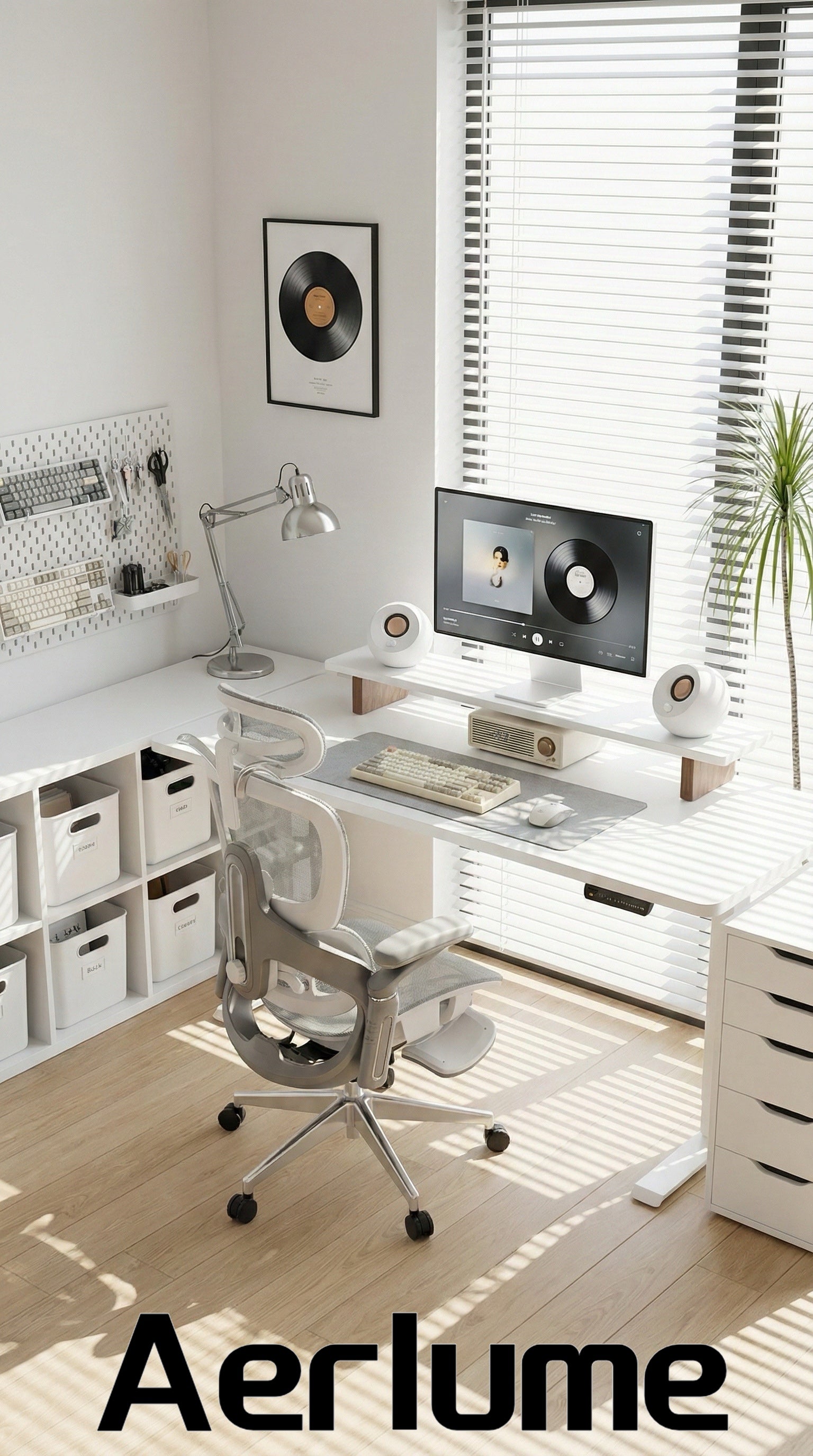
Still Solid in Month Three: The Chair Test Nobody Talks About
The real problem with many “affordable” ergonomic chairs isn’t comfort on day one—it’s structural drift. After weeks of daily sitting, a chair can start to feel slightly off: the seat edge lifts or tilts, the backrest develops a faint side-to-side sway, the armrests loosen, and the base no longer feels planted. It’s rarely a dramatic failure. It’s the slow slide into “why does this feel wobbly now?” If you’re overseas, that’s especially painful because returns are harder, repairs take time, and you may end up living with a chair that quietly gets worse.
Why chairs start to feel “off” after a few weeks
Long-term load doesn’t just stress one part—it tests the whole system. The seat pan takes constant pressure and can flex over time if the frame is light. Foam compresses and stays compressed if it lacks resilience. Mesh can lose tension. Recline mechanisms wear in small increments as you lean back hundreds of times. Fasteners can loosen as the chair is rolled, turned, and pulled in and out of a desk—common in share houses and small rentals where furniture gets moved constantly.
When multiple small weaknesses add up, you get the classic two-month symptoms: creaks, a “lifted” seat feel, and movement you didn’t have when the chair was new.
Start with stability, because comfort doesn’t survive wobble
Begin with the base and frame. A sturdy five-star base and a rigid frame reduce flex when you shift your weight. When you sit down, the chair should feel planted, not springy. When you lean back, it should move smoothly without side sway.
If you’re comparing models, treat the recline mechanism like a durability checkpoint. You don’t need a long list of recline angles; you need a mechanism that locks confidently and doesn’t loosen over time. Stable tilt tension and a solid lock reduce micro-movement that slowly creates play in joints.
The quiet failure points most people miss
Armrests should feel anchored—press inward and wiggle them slightly; if they move easily on day one, they won’t improve with time. The seat material should resist permanent compression. For foam, look for rebound—when you press, it should spring back quickly. For mesh, you want supportive tension rather than a hammock feel.
Also pay attention to how the chair is assembled. Chairs that rely on fragile clips or overly complex moving parts can develop looseness faster. Clean, straightforward construction with solid fasteners often lasts longer than “feature-heavy” designs. This is one reason many renters shortlist options like the Aerlume ergonomic chair range: the focus is on repeatable stability and consistent feel, not just a good first impression.
Buying online: two filters that reduce regret
Because you’re likely buying online, reduce risk with two practical filters: transparent specs and realistic support. Look for clear load ratings, material descriptions, and warranty information that doesn’t read like a loophole. If a listing avoids basics—mechanism type, weight rating, dimensions, what’s adjustable—it’s a warning sign.
And if you’re working with a fixed budget, a reasonable return or exchange policy matters because it protects you from getting stuck with a chair that degrades quickly.
A real month-two scenario
Owen, an international student in Sydney, lived in a share house and spent long nights switching between assignments and gaming. His first “budget” chair started creaking within a month, and by the second month the seat felt slightly tilted. He replaced it with a sturdier chair with a rigid base, a reliable recline lock, and armrests that stayed firm. Weeks later, it still felt the same—stable, quiet, and predictable.
The takeaway
A good ergonomic chair isn’t the one that feels amazing for the first week. It’s the one that stays the same after long-term load. When you prioritize rigid structure, a dependable recline mechanism, resilient seat materials, and firm joints, you’re buying durability you can actually feel: no wobble, no random squeaks, and no “two-month regret.”
Share:
Cables Don’t Need a Social Life
The Desk That Respects Your Rent