
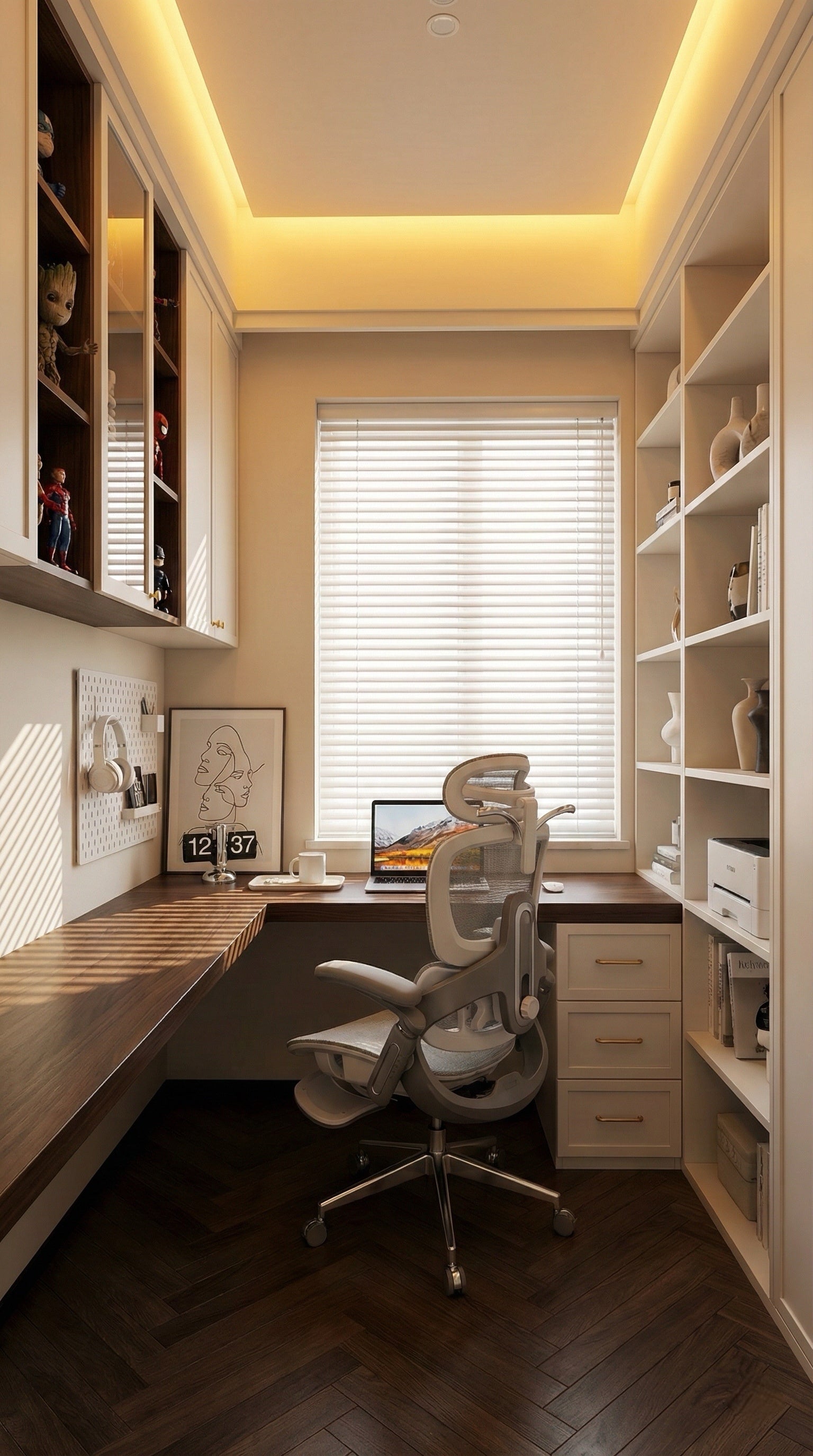
The Chair You Buy Once When Everything Else Gets More Expensive
When rent decides what “worth it” means
Rent has a way of shrinking your “nice-to-have” list into a “must-not-waste-money” list. An ergonomic chair sits right in the middle of that tension: you need it for long hours, but you can’t justify a purchase that feels like a gamble. For overseas customers, the stakes are even higher because returning bulky items is inconvenient, and a “cheap fix” can become a quiet monthly tax on your body and focus.
The slow failures that make a chair feel expensive
Most people aren’t chasing the fanciest chair. They’re trying to avoid the slow, annoying failures that show up after the honeymoon period: the seat begins to feel slightly tilted, the gas lift gradually sinks, the recline starts to feel unstable, or the arm pads loosen until they wobble every time you type. None of this looks dramatic in a product photo, but it turns daily study and work into constant micro-adjustments. At the same time, some premium chairs charge heavily for a brand story while the practical questions—fit, adjustability, durability—stay oddly unclear.
Fit first: the fastest way to reduce regret
Start with fit, because poor fit makes any chair feel like a bad deal. Check the seat height range first: you want feet flat and thighs supported without pressure under the knees. Then look at seat width and backrest height to match your frame. Instead of chasing a long feature list, focus on adjustments that directly prevent discomfort: lumbar support you can position (or at least tune in intensity), armrests that can move up and down enough to meet your desk, and a recline that supports you rather than dumping your weight backward.
This is the part many buyers appreciate about the Aerlume Sylph ergonomic chair: it aims for the adjustments that affect everyday posture—lumbar tuning, arm support, and a controlled recline—without turning the chair into a complicated “feature museum.”
Durability cues you can actually trust online
Evaluate durability like a renter who can’t afford replacements. Look for a base that feels stable and a frame that doesn’t flex when you shift. Mechanism language matters: “smooth recline” and “multi-angle” sound nice, but what you want is a recline that locks confidently and doesn’t creak under normal movement. Material choice matters for value, too. A breathable back can help in warmer climates, but it must have supportive tension; a soft seat can feel good at first, but it should rebound instead of staying compressed.
It also helps when a product page is specific about what’s inside the chair—rated components, clear load limits, and straightforward construction. For example, Aerlume highlights core parts like a steel base and a Class-4 gas lift (with third-party testing referenced), which is the kind of “boring detail” that tends to matter more in month six than in week one.
Buying online without buying blind
Reduce risk with information discipline. A low-risk chair is one with transparent specs: seat height range, dimensions, what exactly adjusts, and what tools are needed for assembly. If the listing is vague, you’re buying blind. Also treat a reasonable return or exchange policy as part of the value—not a bonus. When your budget is compressed, the ability to correct a mismatch matters as much as a discount.
A share-house reality check
Daniela, an international student in Perth, lived in a share house and had a strict “one purchase only” rule. After two weeks of late-night assignments on a dining chair, she set a budget and filtered chairs by seat height range and armrest adjustment. She chose a model with practical lumbar support and a stable recline, skipped the flashy add-ons, and checked the return policy before ordering. When it arrived, it fit her desk and body on day one, and she stopped thinking about chairs entirely—which was the point.
The chair that stays boring (in the best way)
The best budget-conscious ergonomic chair is the one that stays boring—in a good way. It fits, it stays stable, and it doesn’t slowly fall apart. When you prioritize transparent specs, core adjustments, and durable construction, you’re not buying “luxury.” You’re buying a dependable tool that protects your posture and your wallet at the same time. If you want a practical benchmark while comparing options, the Aerlume Sylph is a good example of a chair built around that “buy once” logic: straightforward adjustability, supportive materials, and the kind of stability you don’t have to keep fixing.
Share:
Taming the Wire Jungle: Why Your Desktop Setup Needs a Core Upgrade
The Budget Battle Station: How to Secure a Pro Setup Without the Premium Tax