
The Desk That Respects Your Rent
Rent week makes every purchase feel bigger
A gaming desk purchase rarely happens in isolation. Rent goes up, groceries get pricier, and suddenly “just a desk” competes with bills, textbooks, and weekend shifts. The common mistake is choosing the cheapest option and paying later in annoyance: wobble, peeling surfaces, awkward sizing, or a desk that can’t handle a monitor arm. Budget-conscious buyers don’t want the lowest price. They want the lowest regret.
What you save upfront can come back later
A low-cost desk can look fine on day one, then slowly reveal its real price: unstable legs, weak joints that loosen, and a surface that shows wear fast. When that happens, you either live with it or replace it—both outcomes are expensive in different ways. The better approach is to spend with a purpose: pay for the parts that determine longevity (structure, load handling, usable space), and skip the gimmicks that don’t improve daily use.
Buying once is the real “value”
Budget pressure is real, but so is setup creep. Many people start with one monitor, then add a second, then a stand, a mic arm, a laptop dock, speakers, and charging gear. The “affordable” desk becomes the bottleneck. Real value is choosing a desk that can scale with you, so you don’t have to restart the purchase cycle every time your setup grows. That’s especially important for renters who move and reconfigure often.
Time is part of the bill
The hidden cost most people ignore is time: struggling with a flimsy frame, constantly re-tightening bolts, or rearranging a desk that never quite works with your room. In shared housing, you want a setup that goes together cleanly and stays consistent without weekly maintenance. A desk that simply behaves—stable, practical, easy to live with—is a budget win, even if it isn’t the absolute cheapest line item.
A quick “does this desk actually work?” check
- Space that feels usable: enough room for your monitor and keyboard without feeling cramped.
- Stability under real movement: the frame stays calm when you type, lean, and swipe the mouse.
- Accessory-ready: it can handle the leverage of a monitor arm and the weight distribution of real setups.
- Room-friendly look: neutral enough to sit in a bedroom corner without making the room feel cluttered.
A share-house setup that didn’t need a redo
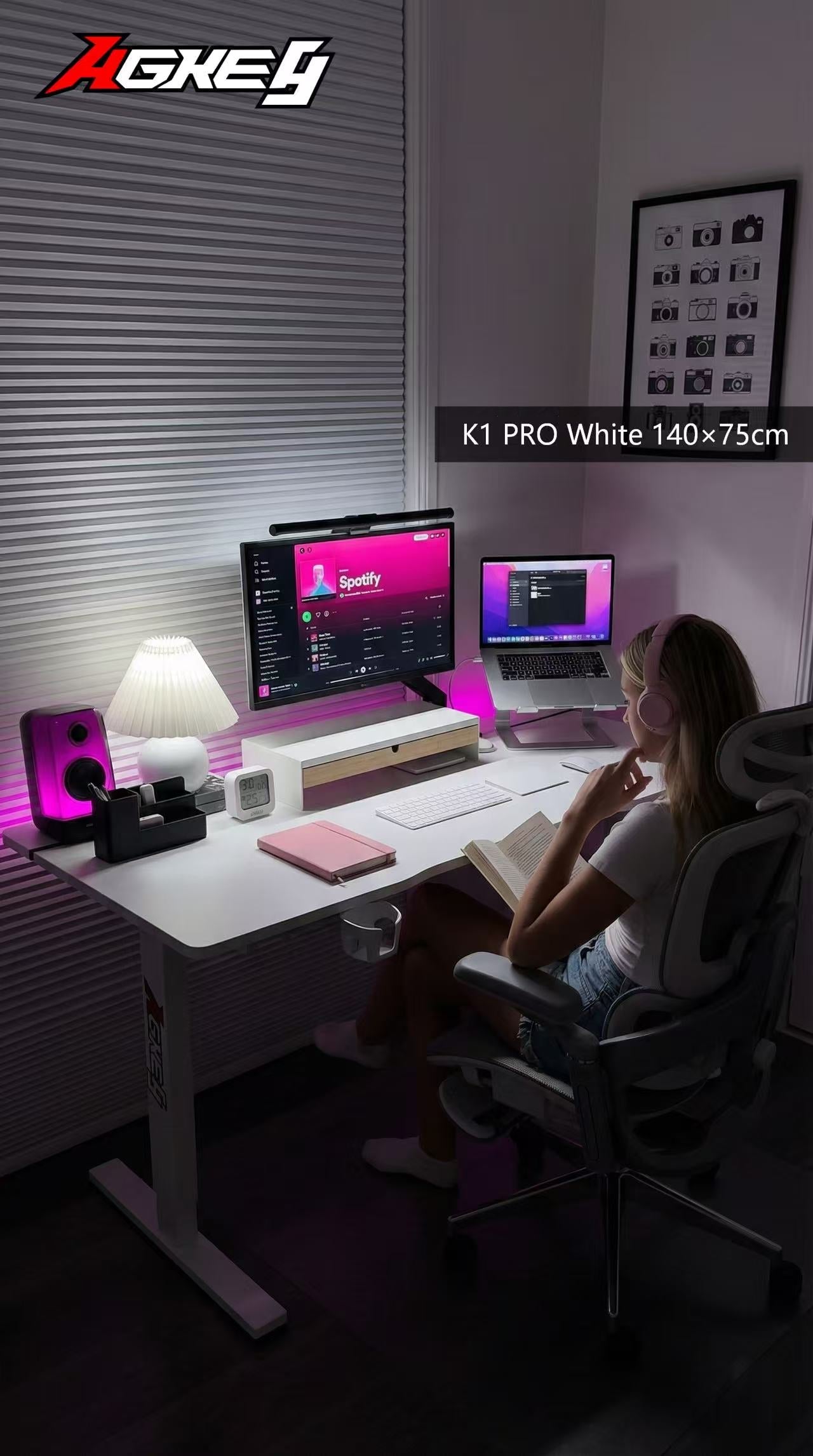
Mia, an international student in Sydney, was furnishing a share-house room on a tight budget after paying a bond and buying textbooks. She nearly grabbed the cheapest desk she could find, but it felt shaky and too narrow for her monitor and laptop. She chose an AGKey gaming desk instead, got a setup that felt solid and properly sized, and avoided the “buy now, replace later” trap that would have cost more across the semester.
To make long sessions easier on her body, she paired the desk with an ergonomic chair rather than a dining chair. Aerlume’s low-profile ergonomic designs fit well in a small room, and the practical adjustments (seat height, lumbar support, armrest positioning) made the everyday difference—feet planted, shoulders relaxed, and less shifting around during study and late-night gaming.
Share:
The Desk That Respects Your Rent
An Ergonomic Chair That Doesn’t Hijack Your Room