
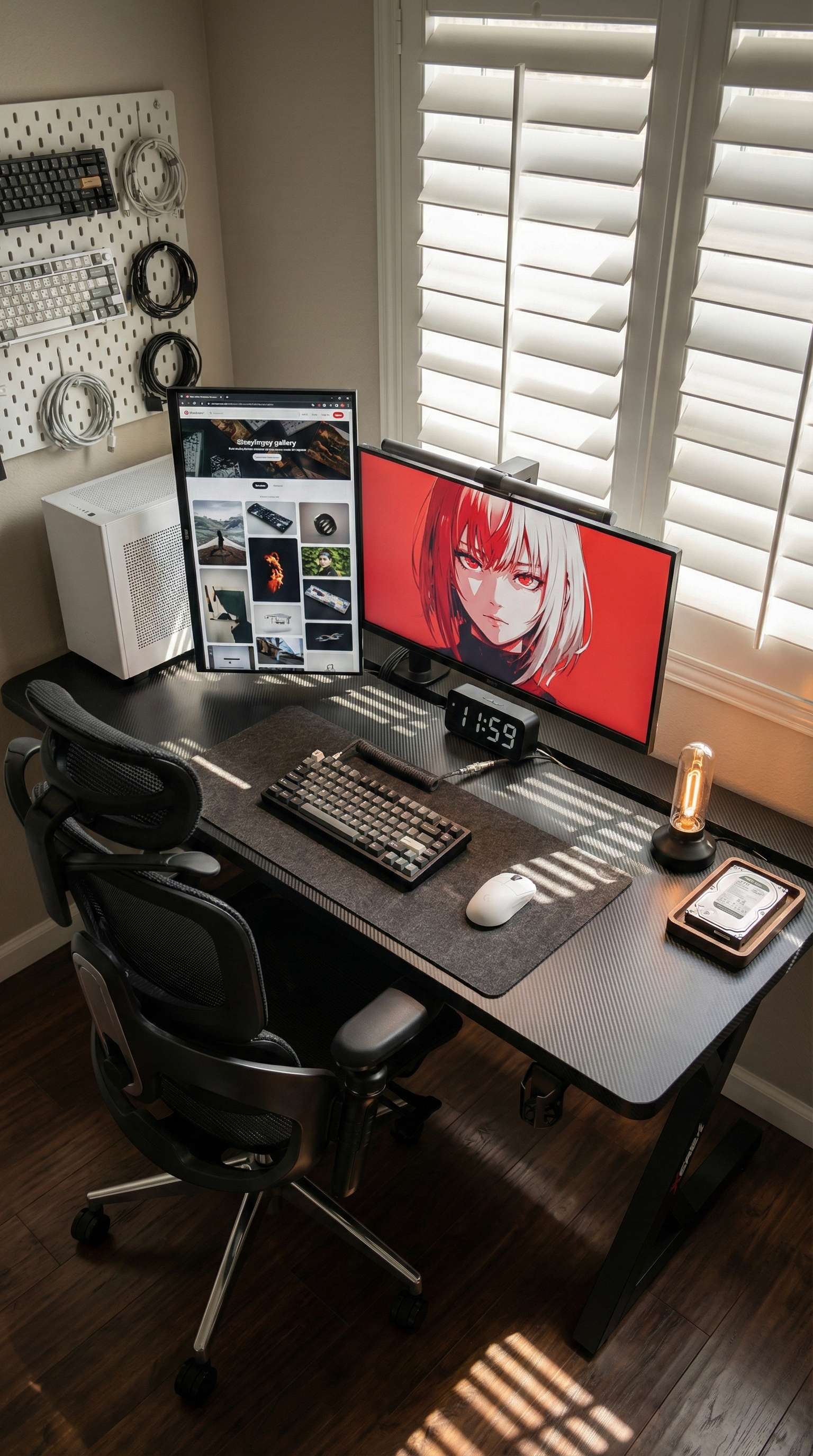
For many Australian buyers, the biggest chair problem is not style, colour, or even price first. It is this: how do you sit for long hours without your lower back, shoulders, and posture falling apart by the end of the day?
That is the strongest chair-related pain point in this category, and it makes sense. A lot of people now use one chair for everything: office work, uni study, evening gaming, streaming, and general computer time. When a chair cannot adjust properly to your body, long sessions tend to turn into constant fidgeting, slouching, and that familiar feeling of stiffness that shows up before dinner.
If you are shopping for an ergonomic chair in Australia, that is usually what you are really trying to solve.
Why Long Sitting Feels Worse in the Wrong Chair
Extended sitting is common across home offices and desk-based work in Australia, and posture tends to drift when your chair does not support the way you actually sit. A fixed backrest, shallow adjustability, or poor lumbar positioning can leave you leaning forward, tucking your hips, or perching on the edge of the seat instead of sitting in a more supported position.
That matters because “comfortable for 20 minutes” is very different from “comfortable for a full workday and a late-night session after that.”
Australian buyers often compare chairs by broad terms like “ergonomic,” but the real question is usually more practical: can this chair keep me comfortable and properly supported when I am sitting for hours at a time?
The Features That Matter Most for This Pain Point
When the goal is reducing long-session discomfort, a few chair features matter more than flashy extras.
1. Adjustable lumbar support
Lower-back discomfort is one of the first complaints people notice when a chair does not match their posture. Lumbar support that can be adjusted is useful because people do not all sit the same way, and a one-shape-fits-all backrest often misses the mark.
2. Breathable materials for long sessions
In many Australian homes, especially during warmer months, heavy cushioning can start to feel stuffy. A breathable mesh chair can feel more practical for long desk sessions because it stays lighter and less closed-in.
3. Arm and head support that actually adapts
If your armrests sit too high, too low, or too far out, your shoulders end up doing extra work. A headrest that adjusts properly also helps when you lean back between tasks instead of staying locked in one position all day.
4. Seat depth and recline flexibility
One of the most overlooked parts of chair comfort is how the seat fits your legs and how the chair supports you when you shift posture. People rarely sit in one perfect position for eight straight hours. A chair that adjusts with you usually feels better over time than one that expects you to stay still.
A Realistic Australian Use Scenario
Picture someone in a Melbourne apartment using the same setup for everything. They log on at 8:30 for remote work, spend most of the day moving between spreadsheets, video calls, and email, then switch to gaming at night without leaving the desk. By 3 pm, a basic chair starts to feel hard on the lower back. By 9 pm, they are leaning forward, shoulders tight, and shifting around every few minutes trying to get comfortable again.
That is exactly the kind of work-and-play routine where an ergonomic chair earns its place. The issue is not just sitting. It is sitting well for long enough that the chair still feels supportive at the end of the day.
What to Look for Before You Buy
- Choose a chair with meaningful adjustability, not just a height lever.
- Check whether the lumbar area can adapt to your body rather than sitting in one fixed spot.
- Look for breathable materials if your setup runs warm or you spend long hours at the desk.
- Consider whether the chair suits a mixed work-and-gaming setup, not just a formal office posture.
- Think about long-term comfort over short first impressions.
Why the Sylph Ergonomic Chair Is a Natural Fit
For this specific pain point, the Sylph Ergonomic Chair Black is a strong fit because its design lines up with what long-session users usually need most. It combines breathable mesh support with adjustable lumbar support, a 3D adjustable headrest, 6D adjustable armrests, seat depth adjustment, and recline up to 135 degrees.
In plain terms, that means it is better suited to people who do not sit in one fixed posture all day. If your routine includes focused work, quick breaks leaning back, and a second shift of gaming or study at night, that level of adjustability is far more useful than a chair that only looks supportive in product photos.
It also has a clean black finish that works naturally in darker desk setups, whether your space leans more home office, gaming room, or a hybrid of both.
The Bottom Line for Australian Buyers
If you are comparing ergonomic chairs in Australia, the strongest buying question is usually not “which chair looks the best?” It is “which chair will still feel supportive after hours at my desk?”
That is why lower-back and posture fatigue from long sitting is the pain point worth solving first. Once you focus on that, the shortlist becomes much clearer. A chair with breathable support and real adjustability gives you a better chance of building a setup that feels good for work, gaming, and everything in between.
For buyers who want one chair to handle long desk sessions more comfortably, the Sylph Ergonomic Chair is the most natural recommendation here.
Share:
Why Desk Stability Is the Real Deal-Breaker for Australian Gaming Setups
How to Choose a Gaming Desk That Stays Stable for Work and Play