
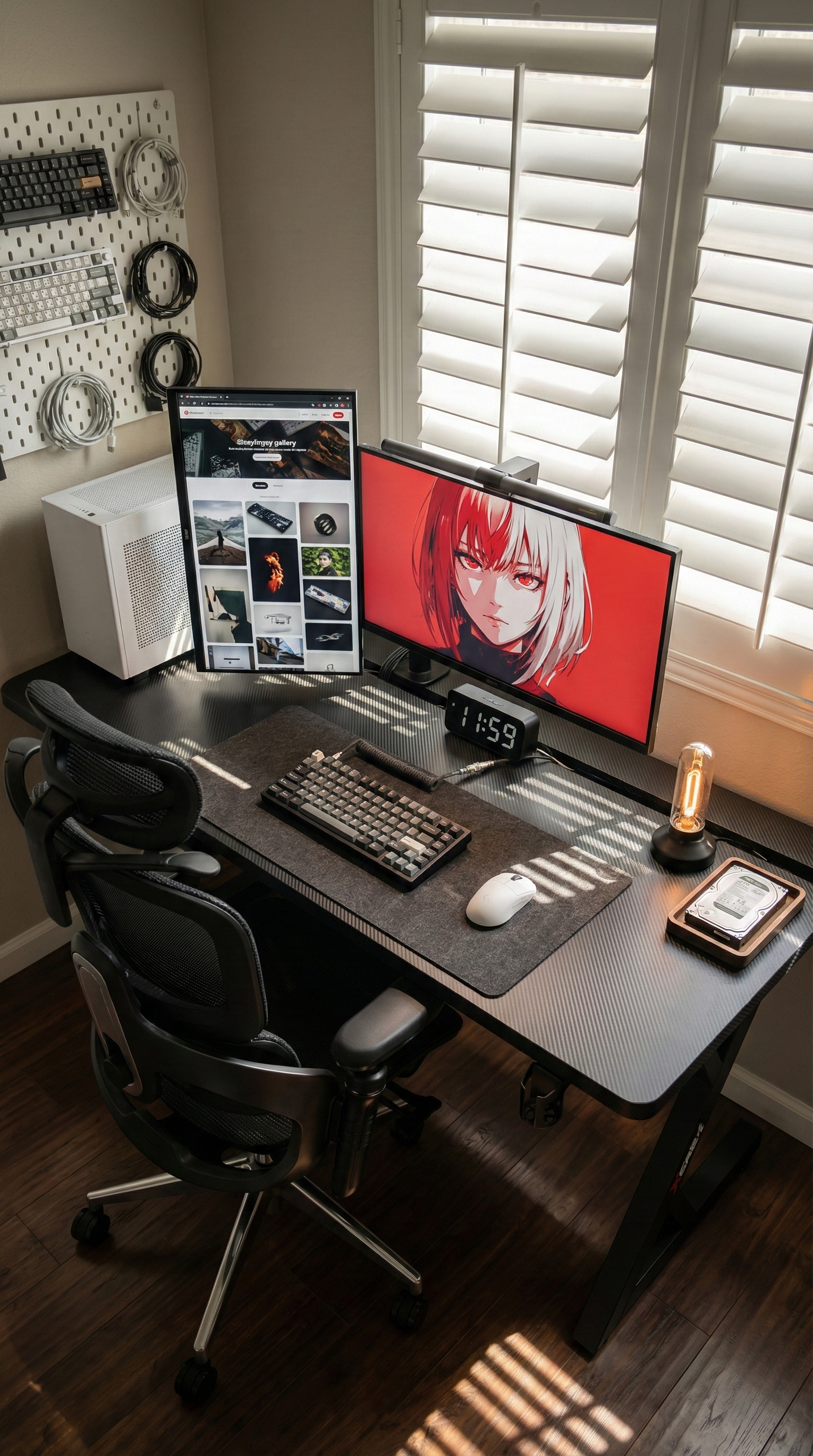
If your lower back starts to feel tight by mid-afternoon, your chair is usually part of the problem. For many Australians, the issue is not just “sitting too long.” It is sitting too long in a chair that does not properly support posture, adjust to body shape, or stay comfortable across a full day of work, study, or gaming.
That is why lower back support has become the strongest buying trigger in the ergonomic chair category. People are not only looking for a chair that looks professional. They want one that helps them stay comfortable for longer, reduces the urge to slump forward, and fits the reality of hybrid life at home.
The Real Problem Is Posture Fatigue, Not Just a “Bad Back” Day
Many standard office or dining chairs feel acceptable for the first hour or two. After that, the small weaknesses start to show. The lower back loses support, shoulders round forward, and your body begins making constant little adjustments just to stay comfortable.
That is posture fatigue. It builds slowly, but over a long day it can leave you feeling stiff, distracted, and ready to stand up every 20 minutes.
For Australian buyers, this matters because one chair often has to do several jobs. It might support a full workday, then a night of gaming, then a few extra hours of admin, study, or streaming. A chair that cannot adapt across those sessions usually becomes the weak link in the whole setup.
What Australian Buyers Should Look For in an Ergonomic Chair
If lower back discomfort is the main issue, the best ergonomic chairs usually solve it through adjustability rather than padding alone. A chair should work with your body, not force you into one fixed position.
1. Adjustable lumbar support
This is the big one. Good lumbar support helps the chair follow the natural curve of your lower back instead of leaving that area unsupported. Fixed backrests can work for some people, but adjustable lumbar support is much more practical when different body shapes and sitting habits are involved.
2. Seat depth adjustment
A seat that is too deep can push you forward and stop your back from resting properly against the chair. A seat that is too short can leave your legs under-supported. Seat depth adjustment helps the chair fit more people properly.
3. Armrest and headrest flexibility
If your armrests sit too high, too low, or too wide, tension tends to travel straight into the shoulders and upper back. A properly adjustable headrest also helps during reclined work breaks or long reading sessions.
4. Breathable material for long sessions
Australian homes and workspaces can run warm for much of the year, so a breathable mesh chair has a practical advantage. It can feel less stuffy over long sessions than heavily padded seating.
5. Recline that encourages movement
No chair can make static sitting ideal forever. A useful recline function helps you change posture throughout the day, which is often just as important as the chair’s upright support.
A Real-World Setup Most Buyers Will Recognise
Picture someone in a Brisbane apartment working from home three days a week. Their desk is in the spare corner of the living room. By 9am they are answering emails, by 2pm they are deep in spreadsheets and video calls, and after dinner they are back at the same setup for a couple of ranked matches with friends. The problem is not motivation. It is that a basic chair starts feeling flat, hot, and unsupportive halfway through the day.
That kind of mixed work-and-play routine is exactly why chair adjustability matters. The right chair has to support focused upright work, relaxed leaning during calls, and longer evening sessions without turning comfort into a constant distraction.
Where the Sylph Ergonomic Chair Fits
If your main goal is better lower back support for long desk sessions, the Sylph Ergonomic Chair Black is a strong fit because its feature set lines up well with this exact problem.
According to the product page, it includes adjustable lumbar support, seat depth adjustment, a 3D adjustable headrest, 6D adjustable armrests, breathable mesh, and a recline of up to 135 degrees. That combination matters because lower back discomfort is rarely caused by one single issue. It is usually the result of poor fit across several points at once: back support, seat position, arm height, and the ability to change posture during long sessions.
The Sylph also has a low-distraction black mesh look, which suits both gaming setups and more professional home-office spaces. For buyers who want one chair that can move cleanly between daytime work and evening play, that makes it an especially practical option.
How to Know It Is Time to Upgrade Your Chair
- Your lower back feels tight or tired after a normal desk day.
- You keep shifting forward because the backrest does not feel supportive.
- Your current chair feels too hot or uncomfortable during longer sessions.
- You use the same chair for work, study, and gaming, but it only feels suitable for short use.
- You want more adjustment than a basic office chair can offer.
Final Thoughts
For most Australian buyers shopping ergonomic chairs, the strongest reason to upgrade is simple: they want to sit for longer without their lower back paying for it later. That is why posture support, lumbar adjustment, and all-day comfort matter more than buzzwords.
If that sounds familiar, focus less on finding the most dramatic-looking chair and more on finding one that adjusts properly to your body and your daily routine. A chair like the Sylph Ergonomic Chair Black makes sense when lower back support is the main priority and you need one chair that can handle both work and play with less compromise.
Share:
How to Choose a Gaming Desk That Won’t Wobble Under a Real Setup
Why Desk Stability Matters More Than RGB When Choosing a Gaming Desk in Australia